

Mattress selection is highly personal. A product described as comfortable by one person may feel too soft or too firm to someone else.
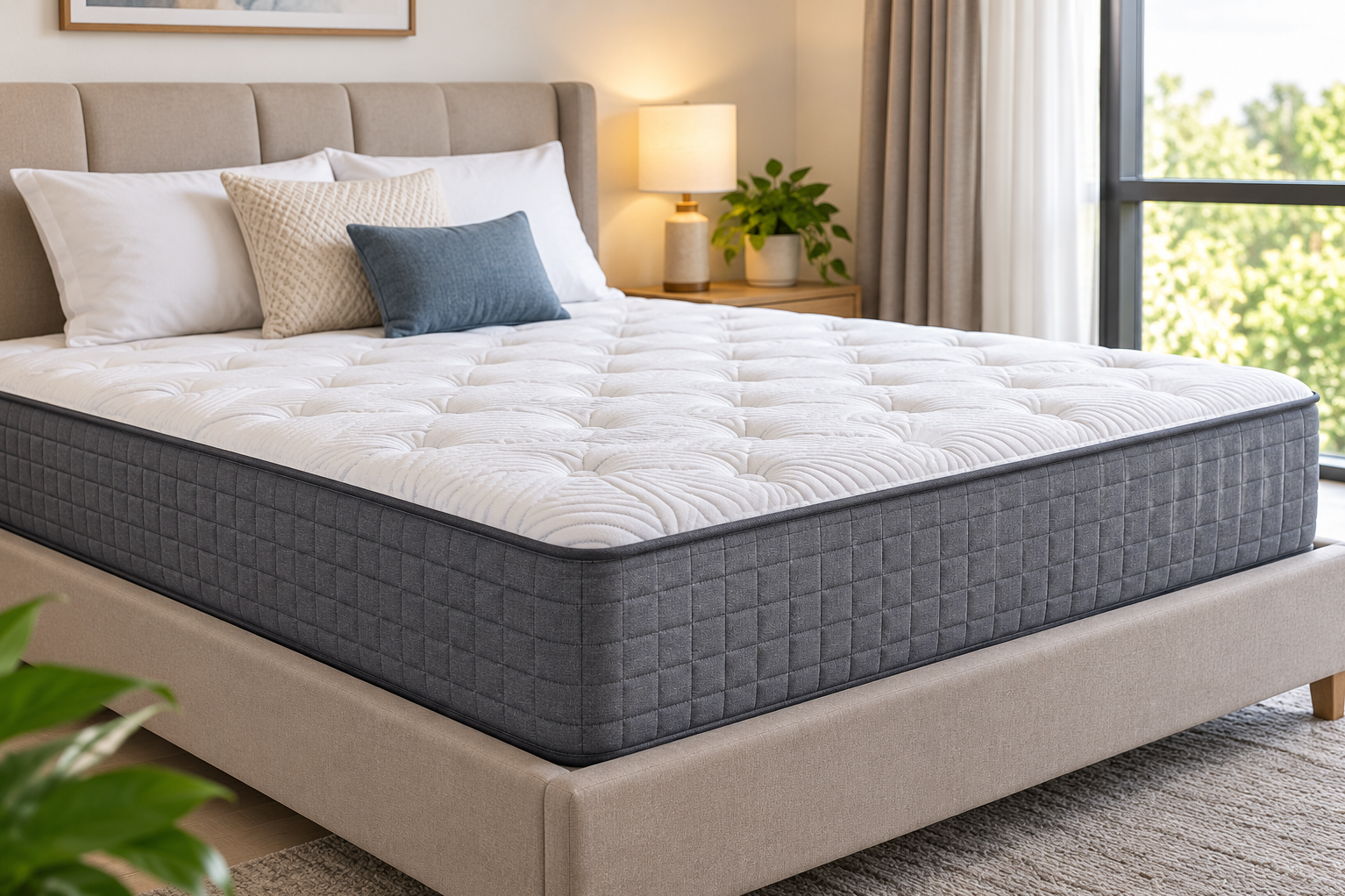
People looking for Mattresses near me often encounter terms such as firm, medium, soft, foam, spring, and supportive. These descriptions are useful, but the final choice should reflect mattress dimensions, sleeping position, body characteristics, bed construction, and personal comfort.
Confirm the Mattress Size First
Measure the bed's internal mattress area before purchasing.
Do not rely exclusively on generic labels such as king or queen because actual dimensions may vary between products.
If the mattress is being purchased before a new bed is manufactured, communicate its exact dimensions to the furniture manufacturer.
This helps ensure a suitable fit.
Understand Firmness
Firmness describes how soft or hard a mattress feels.
Support refers to how effectively the mattress helps maintain a comfortable sleeping position.
The two should not be treated as identical.
An extremely firm mattress is not automatically the most supportive option for every sleeper.
Consider Sleeping Position
Different sleeping positions create pressure in different areas.
Side sleepers may pay particular attention to comfort around the shoulders and hips. Back sleepers often look for balanced support. Stomach sleepers may dislike excessive sinking.
These are broad considerations rather than universal rules.
Individual comfort remains important.
Check the Final Bed Height
Mattress thickness affects how high the sleeping surface will be.
Add the mattress thickness to the height of the bed's supporting surface.
This can be especially important for children, older adults, and people who find getting into a very high or low bed uncomfortable.
A thick mattress can also hide more of the headboard than expected.
Consider the Bed Base
Different mattresses may have specific support requirements.
Check the mattress manufacturer's recommendations for the appropriate base.
The furniture underneath should be structurally suitable for the mattress dimensions and expected usage.
This is worth discussing when ordering a customised bed.
Think About Maintenance
Ask about the manufacturer's guidance regarding rotation, cleaning, mattress protectors, and ventilation.
Some mattresses may need periodic rotation, while requirements differ by construction.
A suitable mattress protector can help reduce exposure to everyday spills and surface contamination.
Test Comfort Properly
If testing is possible, do more than sit on the edge.
Lie down in your normal sleeping position for a reasonable period.
For couples, both users should consider comfort because body weight, sleeping position, and firmness preferences may differ.
When a new bed is being manufactured, Craftsmen Ventures can plan the furniture dimensions around the intended mattress specifications.
The right mattress should fit the bed properly, provide comfortable support, create a practical sleeping height, and suit personal sleeping preferences. Brand names and firmness labels can help narrow the search, but everyday comfort should remain the final consideration.