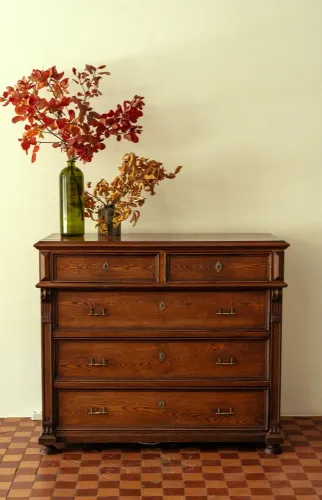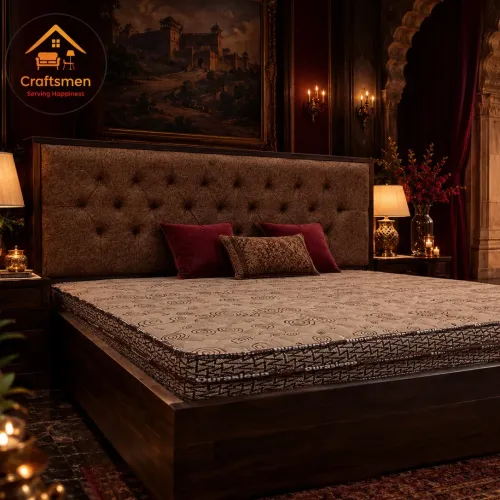


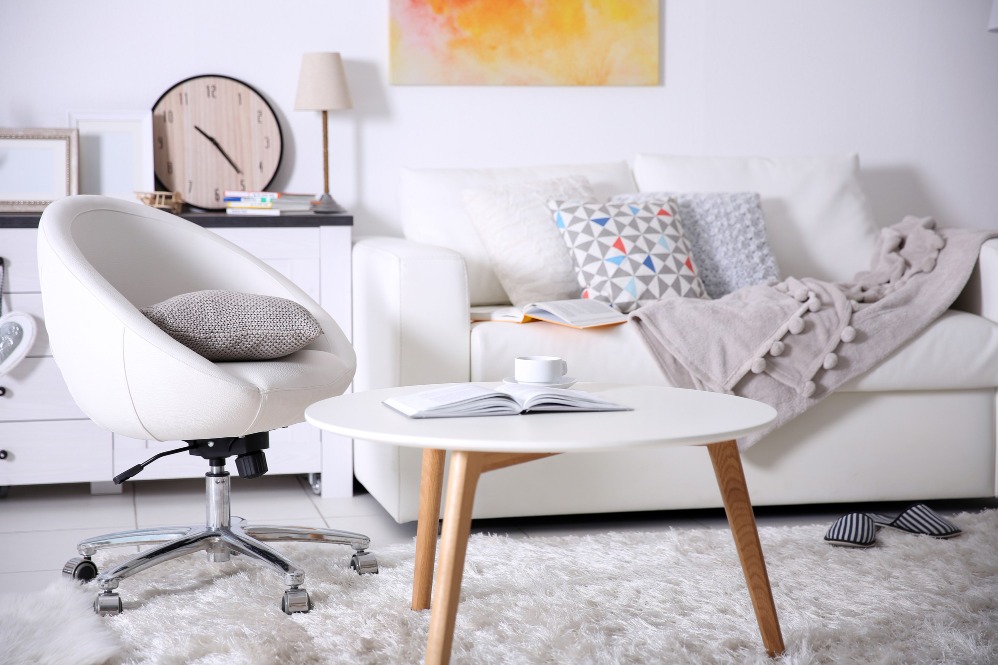
Furniture is a long-term part of everyday life. A sofa is used for conversations, relaxation, guests, and family time. A bed needs to provide dependable structural support every night. Wardrobes, dining tables, study tables, and storage furniture need to make daily routines easier rather than simply fill available space.
People searching for the best furniture near me often encounter many products that look attractive at first glance. The better approach is to evaluate furniture according to space, construction, materials, comfort, maintenance, and actual household requirements.
Start With Your Available Space
Before visiting a furniture manufacturer or selecting a design, measure the room.
Record the available width, depth, and height along with:
- Door positions
- Window locations
- Electrical points
- Walking areas
- Existing furniture
- Staircase or lift access
- Doorway width
These measurements help prevent one of the most common furniture-buying mistakes: selecting a product that technically fits but makes the room difficult to use.
A large sofa, for example, may leave insufficient walking space. An oversized bed may restrict wardrobe access.
Choose Furniture Around Daily Life
Consider who will use each piece and how frequently.
A family living room usually requires different seating from a formal reception area. A child's study table should accommodate changing educational requirements. A wardrobe for two people needs a different internal layout from one designed for a single user.
Ask practical questions before focusing on style.
How much storage is needed? How often will the furniture be used? Is easy cleaning important? Does the household need child-friendly surfaces? Will the room layout change later?
The answers can narrow down suitable designs considerably.
Understand What Materials Are Being Used
Furniture that looks similar externally may have very different construction internally.
Ask what material is used for the main frame, panels, drawers, shelves, backs, legs, and other structural components.
For wooden furniture, also inspect the grain, surface preparation, joints, edge finishing, and overall workmanship.
Material transparency makes quotations easier to compare.
Pay Attention to Construction
Good furniture should feel stable during normal use.
Check:
- Joint quality
- Drawer movement
- Door alignment
- Hardware
- Structural support
- Edge finishing
- Surface consistency
- Stability
Do not inspect only the most visible areas. Open drawers, examine corners, look underneath where practical, and check less visible sections.
Small construction details can reveal a great deal about overall workmanship.
Balance Appearance With Maintenance
Highly detailed furniture can create a strong visual character, but intricate carving and recessed surfaces may require additional cleaning.
Similarly, very light upholstery can look elegant but may need more frequent maintenance in busy households.
Choose finishes, fabrics, and decorative details that suit the amount of maintenance you are comfortable performing.
Consider Custom Manufacturing
Standard furniture can work well when dimensions and layouts suit the room.
Custom furniture becomes useful when space is unusual or when specific dimensions, storage arrangements, materials, or designs are required.
Craftsmen Ventures manufactures wooden home furniture with customisation possibilities for different room layouts and functional requirements.
The right furniture should not simply look good on installation day. It should fit naturally into everyday routines, provide suitable comfort, use available space intelligently, and remain practical over time.